

Foot and Heel Pain
Foot and heel pain can make walking, exercising and even standing uncomfortable. Sometimes the problem is caused by a local injury or irritation, while in other cases the way the foot and lower limb are moving can be contributing to the symptoms.
At Bucks Podiatry, we assess the whole picture rather than simply treating the painful area. Our aim is to identify the likely cause of your symptoms and create a treatment plan to help you return to comfortable movement.
We assess and treat a wide range of foot and heel problems, including persistent or recurrent pain that has not improved with rest or self-treatment.
Why does my heel hurt in the morning?
Pain during the first few steps after getting out of bed is particularly common with plantar heel pain and Achilles tendon problems.
During periods of rest, tissues around the heel can become stiff. When you first stand and place load through the foot, this can temporarily increase discomfort.
The pain may ease as you start moving but return again following prolonged standing, walking or exercise.
Persistent morning heel pain is worth having assessed, particularly if it has continued for several weeks.
When should I see a podiatrist?
You may benefit from an assessment if:
- Your foot or heel pain has lasted more than a few weeks
- Pain keeps returning
- Walking or exercise is becoming uncomfortable
- Your symptoms are getting progressively worse
- You have changed your activity because of the pain
- You have tried stretching, changing shoes or resting without improvement
- You regularly experience the same injury
- You are unsure what is actually causing your symptoms
Early assessment can often help identify contributing factors before the problem becomes more persistent.
How do we assess foot and heel pain?
Your podiatrist will begin by discussing your symptoms, activity levels, footwear, previous injuries and general medical history.
Depending on your symptoms, your assessment may include:
- Examination of the painful area
- Foot and ankle joint movement
- Muscle strength and flexibility
- Assessment of the plantar fascia and Achilles tendon
- Foot posture
- Lower-limb alignment
- Walking and movement assessment
- Footwear assessment
- Biomechanical and gait analysis where appropriate
We will then explain what we think is causing the problem and discuss your treatment options.
Do I need a biomechanical assessment?
Not everyone with foot or heel pain needs a full biomechanical assessment.
However, it can be particularly useful when pain is persistent, keeps returning or appears to be related to the way you walk or run.
A biomechanical assessment looks at how your feet, ankles, knees and hips work together.
At Bucks Podiatry, we can also use Footscan gait analysis where appropriate to examine how pressure moves through your feet while you walk.
How is foot and heel pain treated?
Treatment depends on the underlying cause rather than simply where the pain is located.
Your treatment plan may include:
- Advice on activity and managing load
- Stretching and strengthening exercises
- Foot and ankle rehabilitation
- Footwear advice
- Taping or padding
- Prescription orthotics where appropriate
- Shockwave therapy
- K-Laser therapy
- Gait and biomechanical assessment
- Advice on returning gradually to walking, running or sport
In many cases, a combination of treatments works better than relying on one treatment alone.
Plantar fasciitis and heel pain
Plantar fasciitis is one of the most common causes of heel pain.
The plantar fascia is a strong band of tissue underneath the foot that runs from the heel towards the toes. When it becomes irritated or overloaded, it can cause pain around the underside of the heel.
Treatment may involve exercises, managing activity levels, footwear changes and sometimes orthotics, shockwave therapy or K-Laser treatment depending on the individual case.
Long-standing plantar heel pain often needs a structured treatment and rehabilitation programme rather than rest alone.
Could my footwear be causing my foot pain?
Footwear can sometimes contribute to symptoms, although it is rarely the only factor.
Shoes that are too narrow, poorly supportive, worn out or unsuitable for a particular activity may increase pressure on certain areas of the foot.
Your podiatrist can assess your footwear and advise whether changing shoes may form part of your treatment plan.
Will I need orthotics?
Not necessarily.
Many foot problems can be managed successfully without orthotics.
Where we identify a problem with pressure distribution or lower-limb mechanics, however, prescription orthotics may sometimes help redistribute forces through the foot and support rehabilitation.
At Bucks Podiatry, we use Phits custom 3D-printed orthotics where clinically appropriate, based on information from your biomechanical and Footscan gait assessment.
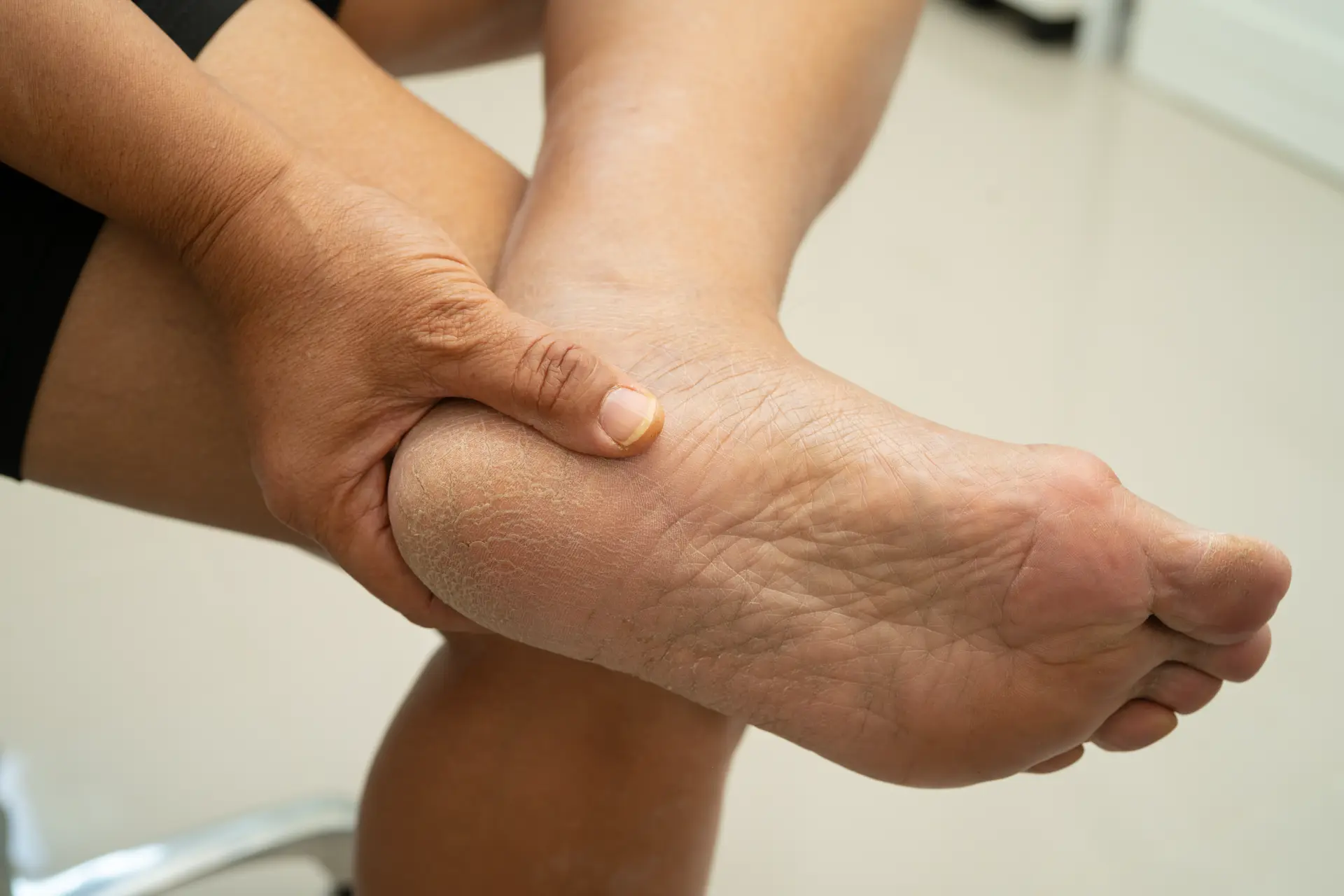
What causes foot and heel pain?
There are many possible causes of foot and heel pain. Some of the most common include:
Plantar fasciitis / plantar heel pain
Pain underneath the heel, often worse with the first few steps in the morning or after sitting for a period of time.
Achilles tendon pain
Pain or stiffness at the back of the heel or along the Achilles tendon, which may be worse after activity or first thing in the morning.
Heel pad pain
Tenderness directly underneath the heel, sometimes described as feeling bruised when walking on hard surfaces.
Forefoot pain
Pain underneath the ball of the foot, which may be related to pressure, footwear, joint irritation or conditions such as metatarsalgia.
Morton’s neuroma
Irritation of a nerve in the forefoot that can cause burning, tingling or shooting pain into the toes.
Bunions and big toe joint pain
Pain around the big toe joint caused by joint irritation, altered movement or pressure from footwear.
Arthritis
Wear and tear or inflammatory changes within the joints of the foot can cause pain, stiffness and reduced movement.
Tendon problems
The foot and ankle contain numerous tendons that can become painful through overload, injury or repetitive activity.
Sports and overuse injuries
Running, walking and sport can place increased load through the feet, particularly following changes in training, footwear or activity levels.
Frequently asked questions
How long should I wait before getting heel pain assessed?
Minor discomfort following an unusual increase in activity may settle with a short period of rest and activity modification.
If your symptoms continue for several weeks, are worsening or repeatedly return, it is sensible to arrange an assessment.
Should I stop walking or exercising?
Complete rest is not always necessary and can sometimes make returning to activity more difficult.
The correct approach depends on your condition. Your podiatrist can advise you on how much activity is appropriate and how to gradually increase it as symptoms improve.
Can heel pain be treated without injections or surgery?
Yes. Most causes of foot and heel pain are initially managed conservatively.
Treatment may involve rehabilitation, footwear changes, orthotics and treatments such as shockwave or laser therapy where appropriate.
Can orthotics help plantar fasciitis?
They can be helpful for some patients, particularly where foot mechanics or pressure distribution are contributing to symptoms.
They are usually most effective when combined with appropriate exercises and rehabilitation rather than used in isolation.
How long does heel pain take to improve?
This varies considerably depending on the cause, how long the problem has been present and your activity levels.
Recent problems may improve relatively quickly, while long-standing conditions such as persistent plantar heel pain or tendinopathy often require a structured rehabilitation programme over a longer period.
Your podiatrist will give you a clearer idea of what to expect following your assessment.
Book an appointment for foot or heel pain
If foot or heel pain is stopping you walking comfortably, exercising or doing the activities you enjoy, we can assess the problem and help determine the most appropriate treatment.
Book an appointment with Bucks Podiatry for a foot and ankle assessment, or contact our team to discuss which appointment is most suitable for you.